

TL;DR: Choosing a gate opener means matching the operator to your gate type and traffic, then layering the right access control (keypad, intercom, or smartphone) on top, with UL 325 safety devices built in.
Gate openers and access control are the two halves of an automated entry system: the opener is the motor that physically moves the gate, and access control is the set of devices that decide who gets to trigger it. Picking the right combination starts with the gate itself, since a swing gate and a slide gate use different operators, and it ends with how you want people to get in, whether that is a keypad code, an intercom call, a card, or a tap on a phone. Getting both halves matched to the property is what separates a system that runs quietly for years from one that struggles, stalls, or leaves a security gap. This guide covers how the pieces fit together for Southern California homes and businesses.
Swing vs Slide: Matching the Opener to the Gate
The single biggest decision is the operator type, and it follows directly from how the gate moves. A swing gate arcs open on hinges like a door, while a slide gate rolls sideways along the fence line. Each needs a purpose-built operator.
Swing operators come in a few mounting styles. Articulated arm operators work well on gates with wide columns, ram or linear operators suit gates where the post sits close to the gate frame, and underground operators hide the mechanism entirely for a clean look on higher-end installs. The right choice depends on the gate weight, the column geometry, and how much hardware the owner wants visible.
Slide operators pull a rolling gate along a track or a cantilever system. They shine on properties with a downslope driveway, limited swing clearance, or a wide opening where a swing gate would need too much room to arc. Matching the operator's rated capacity to the gate's weight and length is what keeps the motor from burning out early. Iron Master sizes each operator from its range of automatic gate openers to the specific gate it will drive, since an undersized motor on a heavy iron gate is one of the most common causes of premature failure.
Traffic volume matters as much as gate size. A residential gate that cycles a dozen times a day can use a lighter-duty operator, while a commercial entrance cycling hundreds of times daily needs a continuous-duty motor built for the workload. Undersizing here is a false economy that shows up as breakdowns within the first year or two.
The Access Control Layer
Once the gate moves on command, access control decides who gets to give that command. Southern California properties usually combine two or three of these methods depending on how many people need entry and how tightly the owner wants to manage it.
Keypads and Access Codes
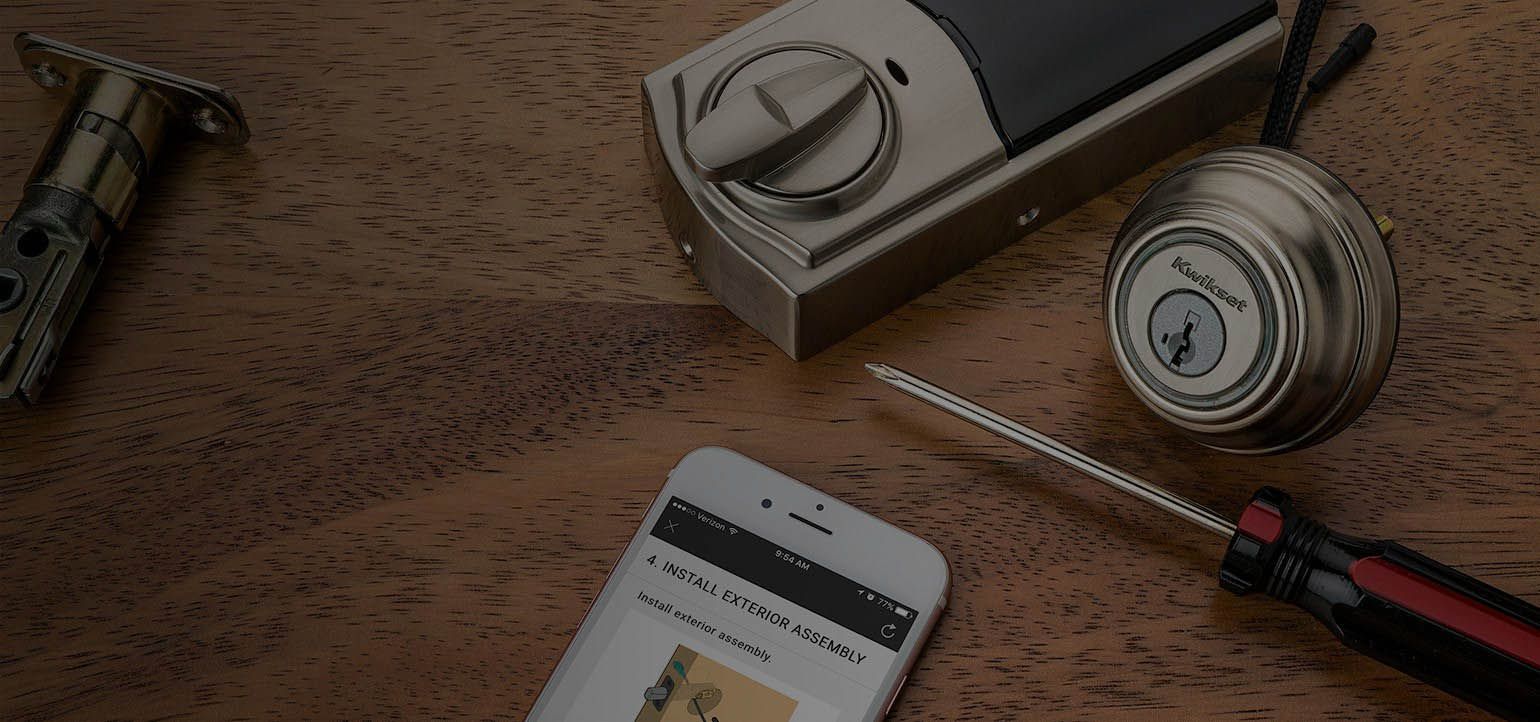
A keypad is the workhorse of residential access control. Residents and trusted visitors enter a code, and better keypads support multiple codes so an owner can hand out a temporary code to a house cleaner or a contractor and delete it later. Keypads are simple, reliable, and inexpensive, which is why they anchor most home systems.
Intercoms and Video Entry
Intercoms let someone at the gate call the house or the front desk, and video intercoms add a camera so the person inside can see who is asking. This is the method that handles the unexpected visitor, the delivery driver, or the guest who does not have a code. Modern video intercoms can ring a smartphone, which means a homeowner can see and speak to a visitor even when they are away.
Cards, Fobs, and Smartphone Access
Card readers and key fobs suit properties where a defined set of people need regular entry, such as an apartment community or an office. Each credential is tied to an individual, so access can be granted or revoked one person at a time, and the system logs who came and went. Smartphone-based access takes the same idea further by turning the phone into the credential, adding remote control, entry logs, and the ability to buzz someone in from anywhere.
Sensors and Loop Detectors
Not every trigger is a person asking to come in. Exit loops buried in the driveway detect a vehicle leaving and open the gate automatically, and free-exit sensors do the same job with a different technology. These devices make the daily experience of leaving the property seamless, so residents are not punching a code just to get out.
Safety and the UL 325 Standard
Automated gates carry real force, and safety is not optional. The governing safety standard for vehicular gate operators in the United States is UL 325, and any reputable installer builds every system to meet it.
At its core, UL 325 requires entrapment protection so a gate stops or reverses when it meets an obstruction, which protects children, pets, and vehicles from a closing or opening gate. The standard calls for at least two independent means of entrapment protection for each area of risk, typically the operator's built-in force sensing plus external devices like photo eyes or sensing edges. The UL 325 entrapment-protection requirements for gate operators also sort operators into classes by property type, from residential through restricted-access industrial, each with its own criteria.
The practical takeaway for an owner is simple. Photo eyes and safety edges are not upsells to decline; they are the parts of the system that keep an automated gate from causing harm. A quote that leaves them out is a quote to question.
Residential vs Commercial Needs
Homes and businesses ask different things of an entry system, and the right build reflects that.
Residential systems prioritize convenience and a clean look. Most homes do well with a keypad, a video intercom that rings a phone, and an exit sensor, all driving a gate that suits the architecture. The gate itself is often the visual centerpiece, so owners frequently pair automation with custom iron gates that match the home while quietly carrying the operator hardware.
Commercial and multi-tenant properties prioritize throughput, accountability, and durability. An office park or apartment community needs credentials tied to individuals, entry logs for accountability, continuous-duty operators that handle heavy cycling, and often integration with a property management platform. The access control here is less about convenience and more about controlling and documenting who enters, which changes both the hardware and the way it is programmed.
Power, Backup, and Southern California Realities
A gate opener is only as reliable as its power, and a few local realities shape the right setup.
Battery backup is close to essential. Southern California properties see planned public safety power shutoffs during high wind and fire conditions, and a gate that cannot open during an outage traps residents inside or locks them out. A backup battery keeps the gate cycling through an outage, and it is one of the least expensive pieces of insurance in the whole system.
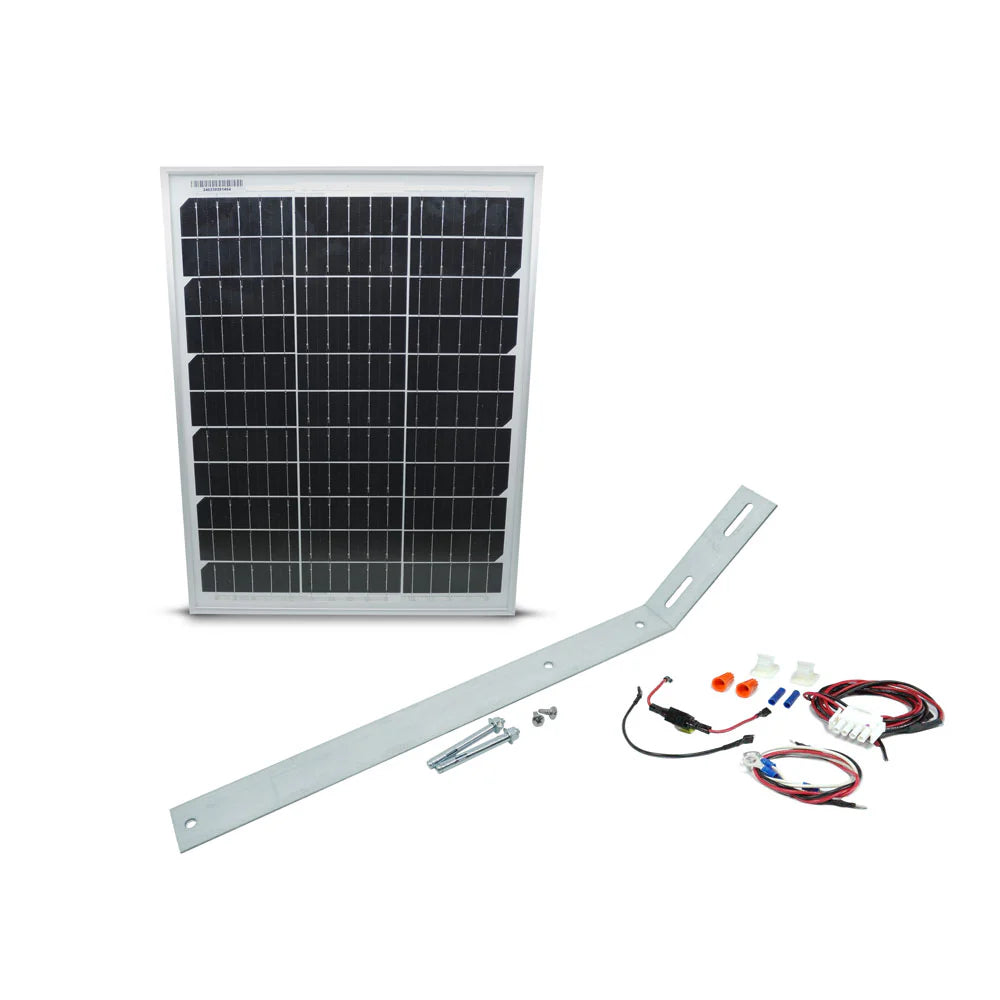
Solar power is a practical option here that the regional climate genuinely supports. For gates set far from a power source, a solar panel with a battery bank can run the operator without trenching a long electrical line, which saves both the cost and the heavy digging. The steady Southern California sun makes solar-assisted gate operators a real consideration rather than a novelty.
HOA rules are the last piece to check. Many master-planned communities across Orange County and Los Angeles County set requirements on gate appearance, on emergency access for first responders, and on how visitor entry is handled. Confirming those rules before the design is locked avoids a rework later, and a good installer will ask about them up front.
Putting the System Together
A well-designed entry system is a set of matched decisions rather than a pile of parts. The operator has to fit the gate and the traffic, the access control has to fit how people actually use the entrance, the safety devices have to meet UL 325, and the power setup has to survive a Southern California outage. Get those four aligned and the system disappears into the background, which is exactly what a good one should do.
The fastest way to get there is a conversation about the property, the traffic, and how you want entry to work day to day. To design an opener and access control setup matched to your gate and your Southern California property, talk to our team and we will size the operator, spec the access control, and build in the safety hardware from the start.
FAQ
What is the difference between a swing gate operator and a slide gate operator?
A swing operator arcs the gate open on hinges like a door, using an arm, ram, or underground mechanism. A slide operator rolls the gate sideways along a track or cantilever. The choice follows the gate type, which in turn follows the driveway. Slide gates suit downslopes and tight clearances, while swing gates suit properties with room to arc open.
What is the UL 325 safety standard for gate operators?
UL 325 is the United States safety standard for vehicular gate operators. It requires entrapment protection so a gate stops or reverses when it hits an obstruction, mandates at least two independent protective devices for each risk area, and sorts operators into classes by property type. Photo eyes and safety edges are the external devices that satisfy it, and any compliant install includes them.
Can I open my gate from my phone?
Yes. Smartphone-based access control turns the phone into a credential and adds remote control, so an owner can open the gate, buzz in a visitor, and review entry logs from anywhere. Video intercoms can also ring a phone, letting a homeowner see and speak to whoever is at the gate even when they are away from the property.
What happens to my gate during a power outage?
With a battery backup, the operator keeps cycling the gate through an outage, which matters in Southern California during public safety power shutoffs. Without backup, most operators have a manual release that lets you disengage the motor and move the gate by hand, but that is a stopgap. A backup battery, and in some cases solar power, is the reliable answer.
Do I need access control for a residential gate, or just an opener?
An opener moves the gate, but without access control anyone would need a remote to get in. Most homes add at least a keypad so residents and trusted visitors have a code, and many add a video intercom for guests and deliveries plus an exit sensor for leaving. The right mix depends on how many people need entry and how tightly you want to manage it.
